We often hear phrases like “I am so-and-so…”
This simple sentence introduces what many call ego.
Sometimes people feel happy or proud about your identity.
Other times, they may feel jealous, upset, or even threatened.
And strangely, there are also those who feel uncomfortable simply because you exist and stand for something.
This has led many to think that ego is something negative — something to avoid or even destroy.
Some spiritual teachings say:
”Ego is the root of all problems. If someone shows it, push it out!”
But let’s pause and reflect…
Is ego really the villain of the story?
Imagine this:
• You’re angry, and someone says, “That’s your ego flaring up.”
• You’re happy, and they say, “Oh, just an ego boost.”
• You’re sad, and it’s labeled as “ego being hurt.”
• You admire someone, and they say, “That’s your ego projecting.”
Suddenly, everything is blamed on ego.
But here’s the irony — even the statement “you should give up ego” comes from someone’s own ego.
It’s like one mirror blaming another for reflecting!
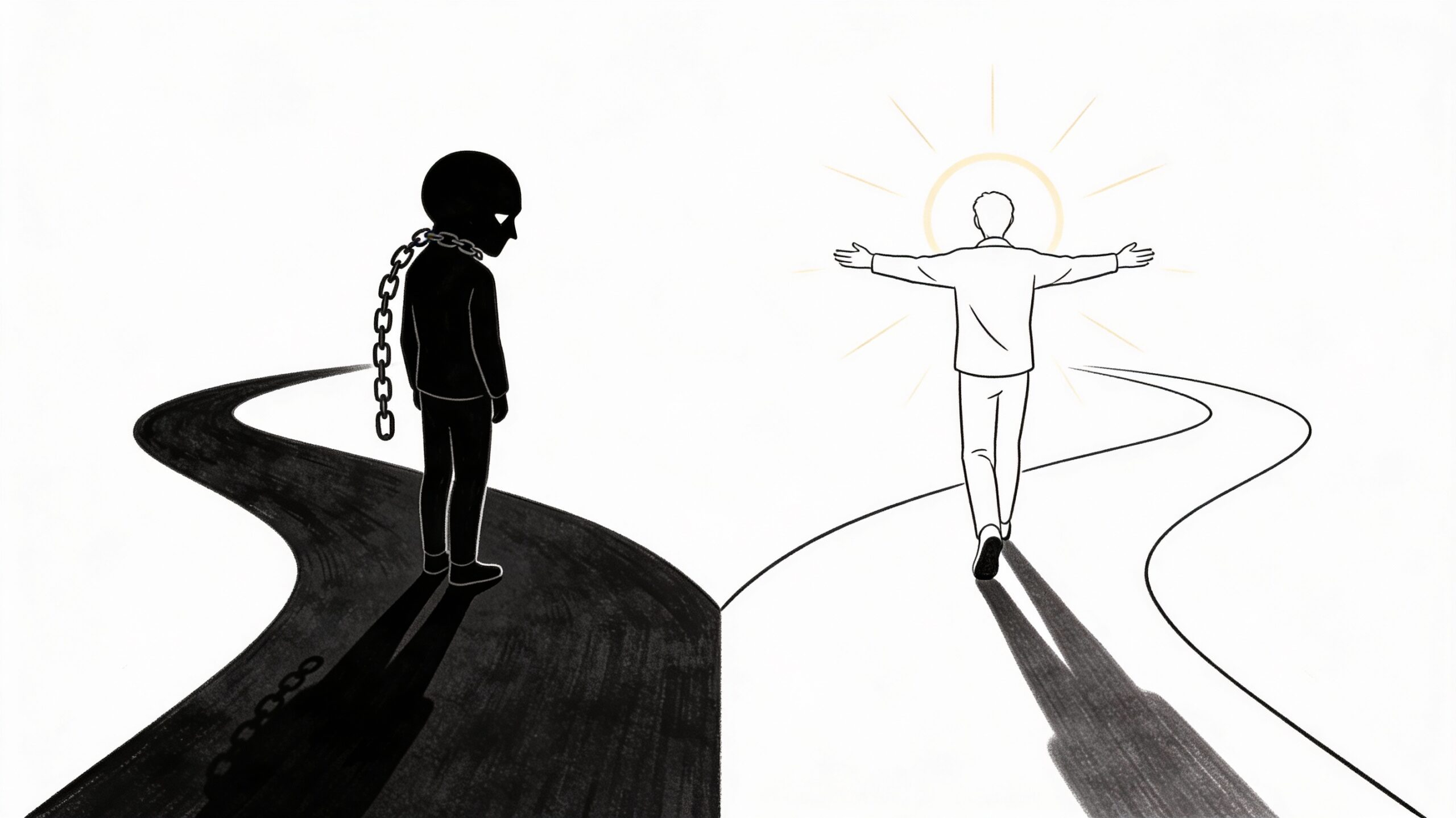
So what if — instead of fighting ego — we learn to understand it, refine it, and even befriend it?
Ego, when balanced and nurtured, can become a beautiful instrument for expression, dignity, and contribution.
Like a musical instrument, it can sound harsh or melodious — depending on how it’s played.
And like any ability, ego too can be trained to be:
• Sensitive enough to respect others
• Strong enough to stand for values
• Quiet enough to allow deeper peace
In fact, the Bhagavad Gita says:
*”Yogaḥ karmasu kauśalam”* – Yoga is the art of skillful action.
And ego, when tuned, helps us act with excellence.
At RIE, we help you understand your inner instruments — including ego — so life becomes a joyful performance, not a battleground.
– With love,
*Raviji*



0 Comments